
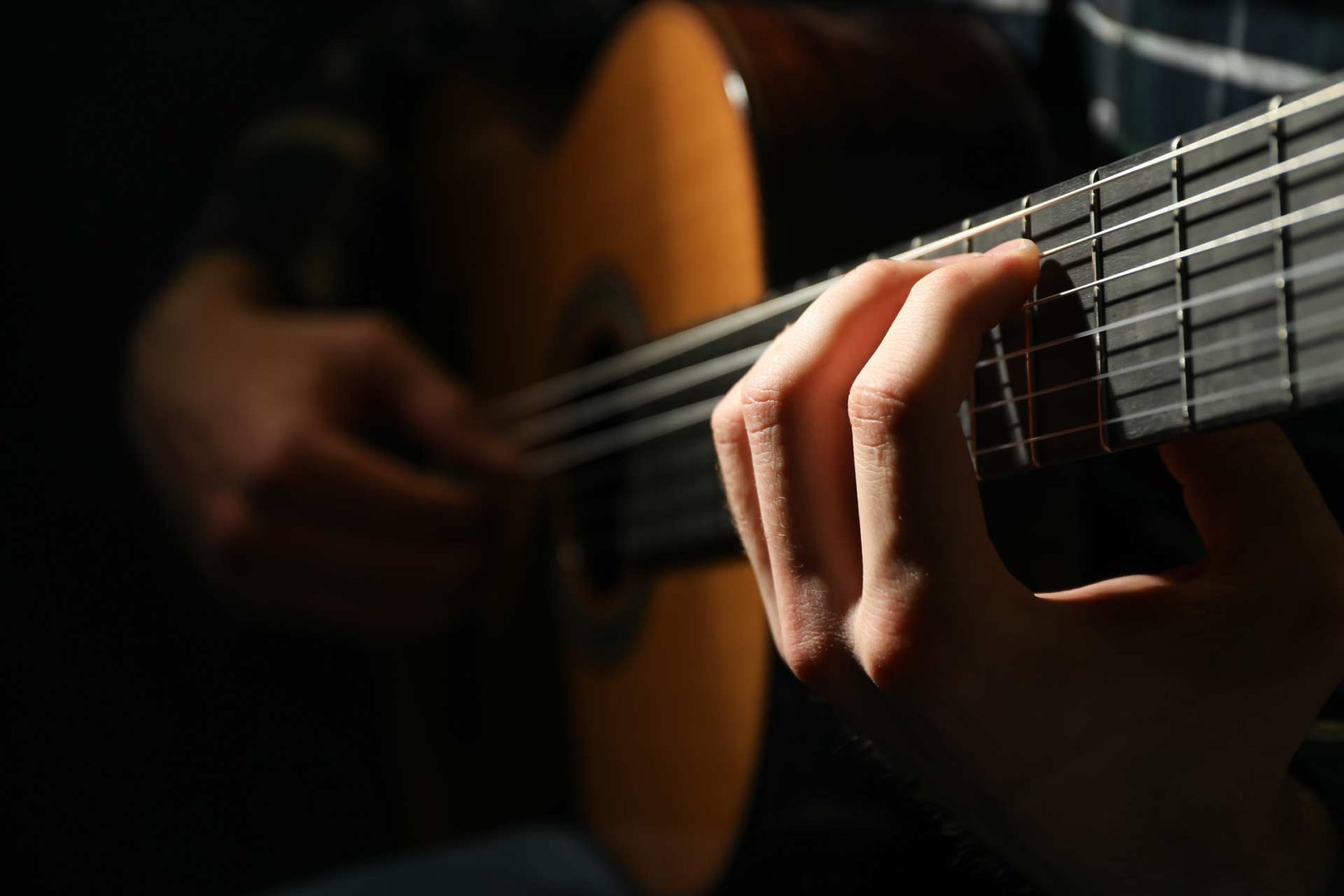
With origins tracing back to the 1500s and gaining its modern form in the 1800s, the classical guitar was created in Spain by Antonio de Torres. He refined earlier designs to create what we now recognize as the ancestor of today’s guitars.
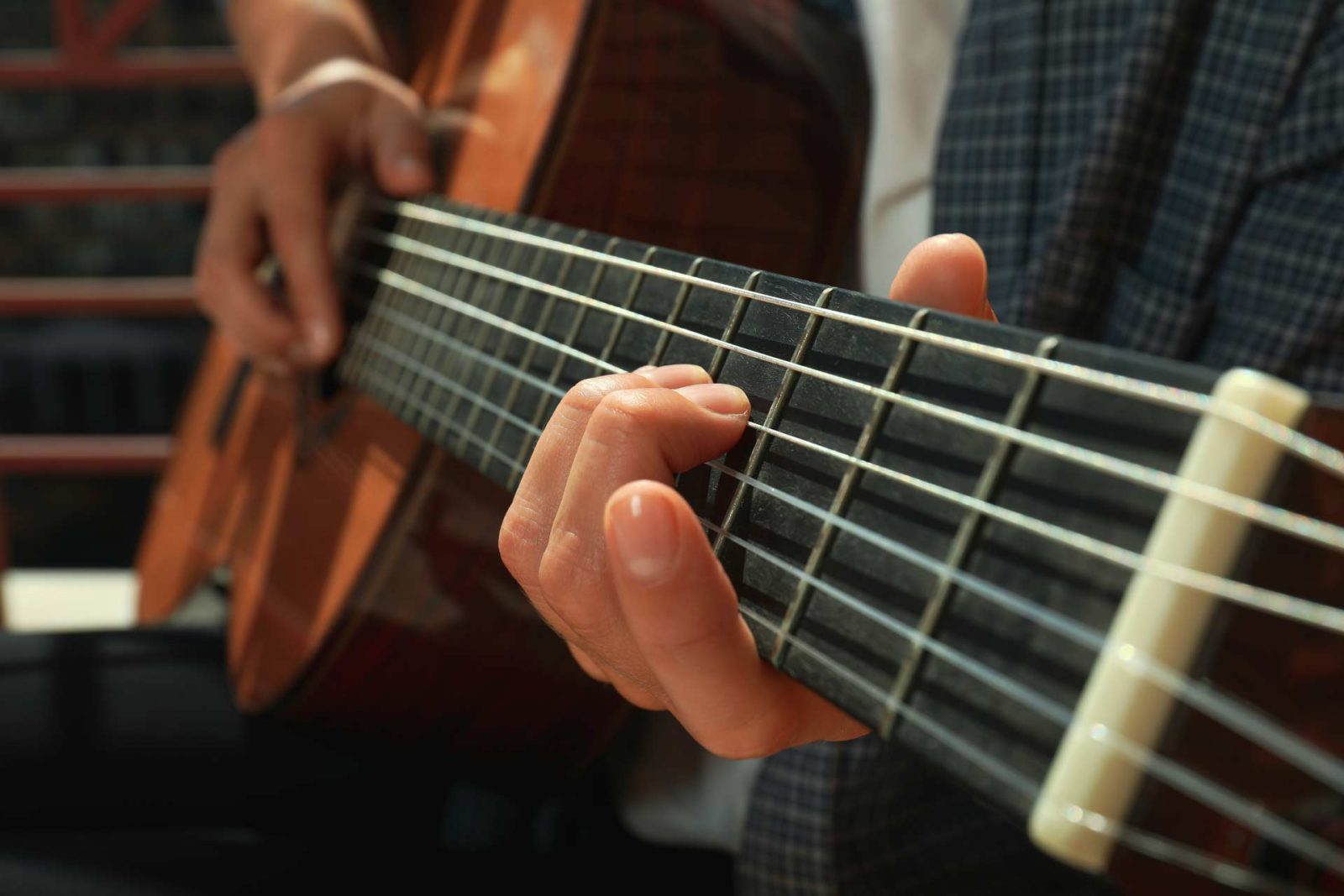
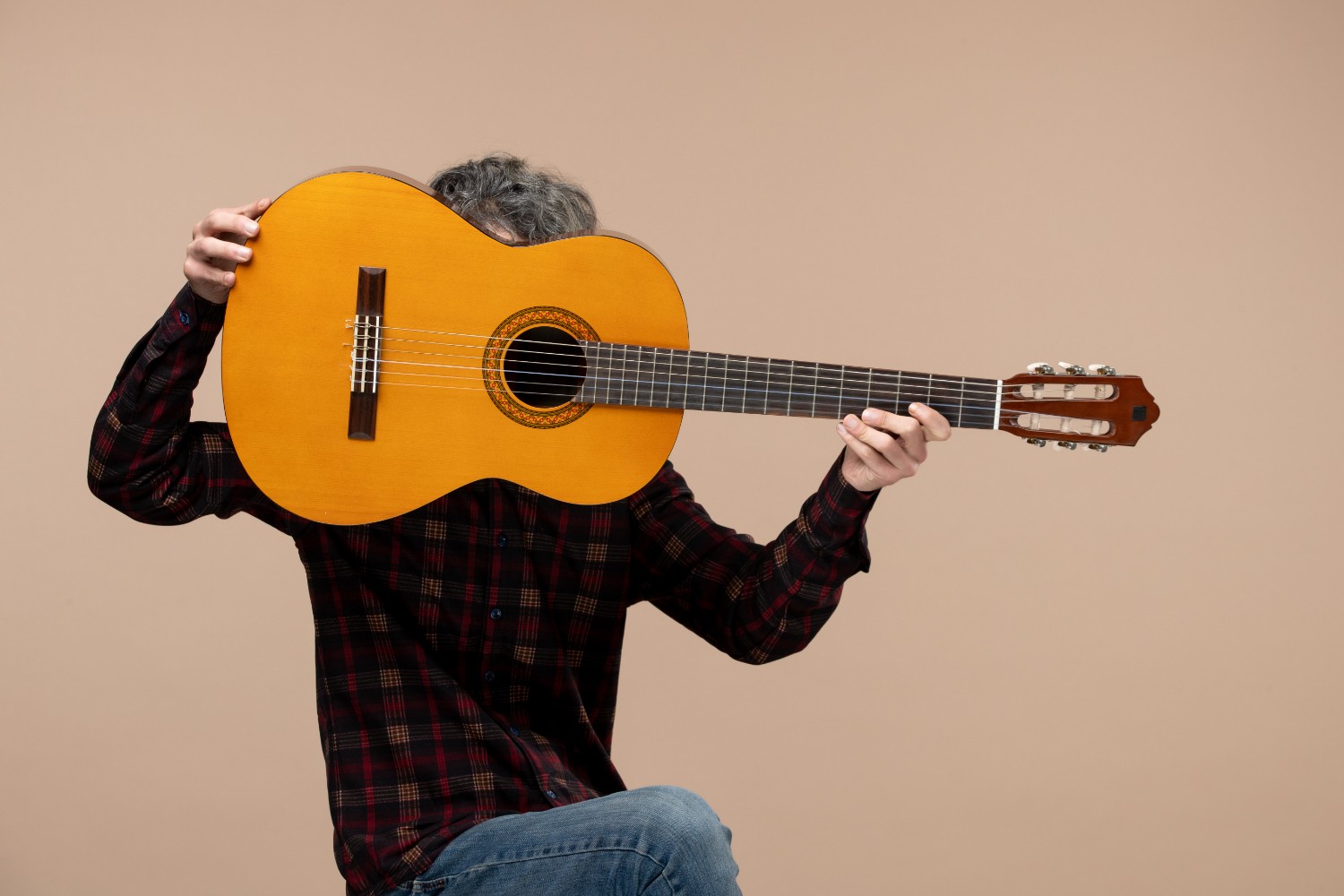
The methods and techniques used in classical guitar impart musically universal skills and knowledge. They will prepare you to play anything, with an excellent foundation that will last throughout your musical journey. Learning and mastering this style equips you with skills that can easily transfer to other types of guitars, making it a fantastic starting point for any aspiring guitarist looking to branch out in the future.
Contact us today to schedule your first lesson and step into/discover the world of classical guitar!
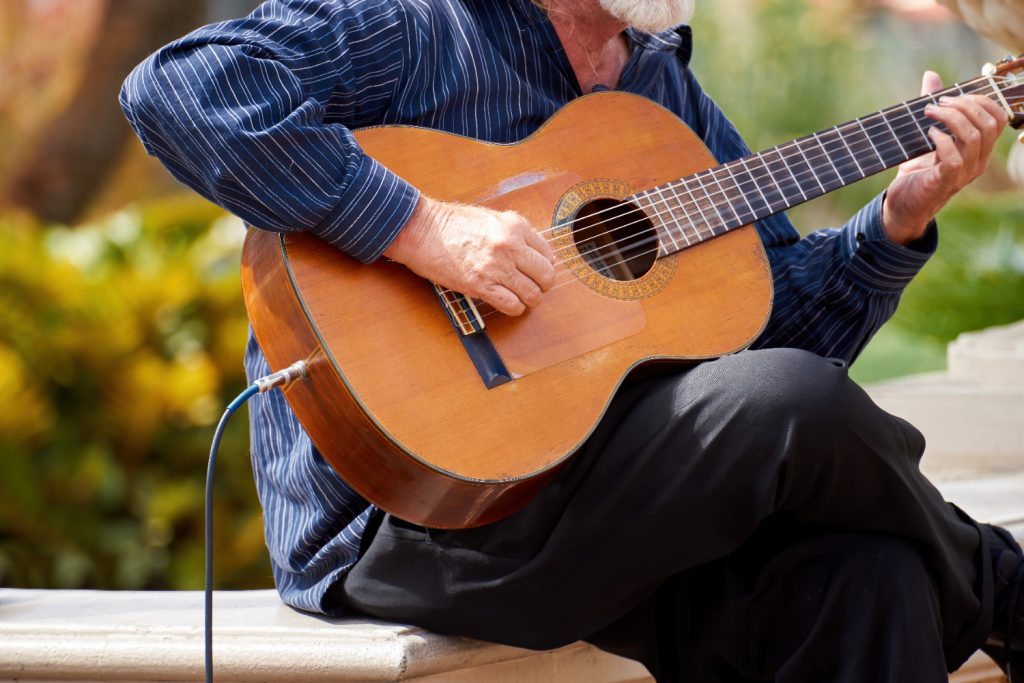
At Mask Music Studios, we believe everyone can play classical guitar. We offer comprehensive lessons tailored to all skill levels; catered specifically to your musical interests and goals. Whether you’re looking to enhance your existing skills or start from scratch, our experienced instructors are here to help you achieve your dreams and guide you with their personalised instruction. Craft melodies as timeless as the instrument itself with our classes and make its legacy your own.
Contact us today to schedule your first lesson and step into the world of classical guitar!
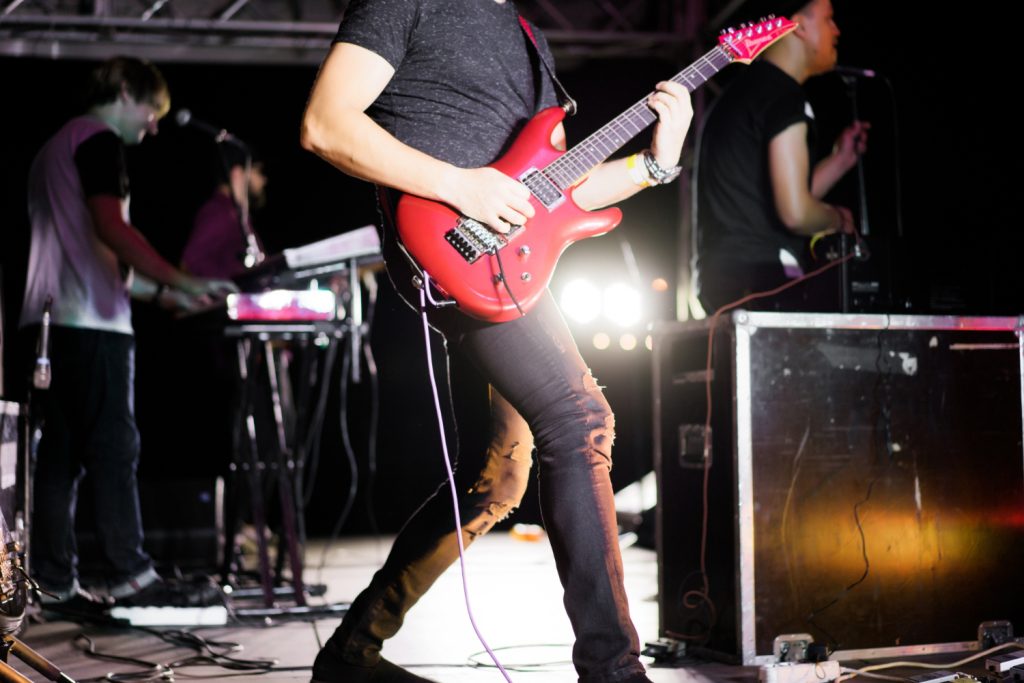
This period marks the beginning of classical guitar music, often played on early versions of the guitar or similar instruments like the lute. Renaissance music is typically characterised by polyphony, where multiple independent melodies are played and blended together.
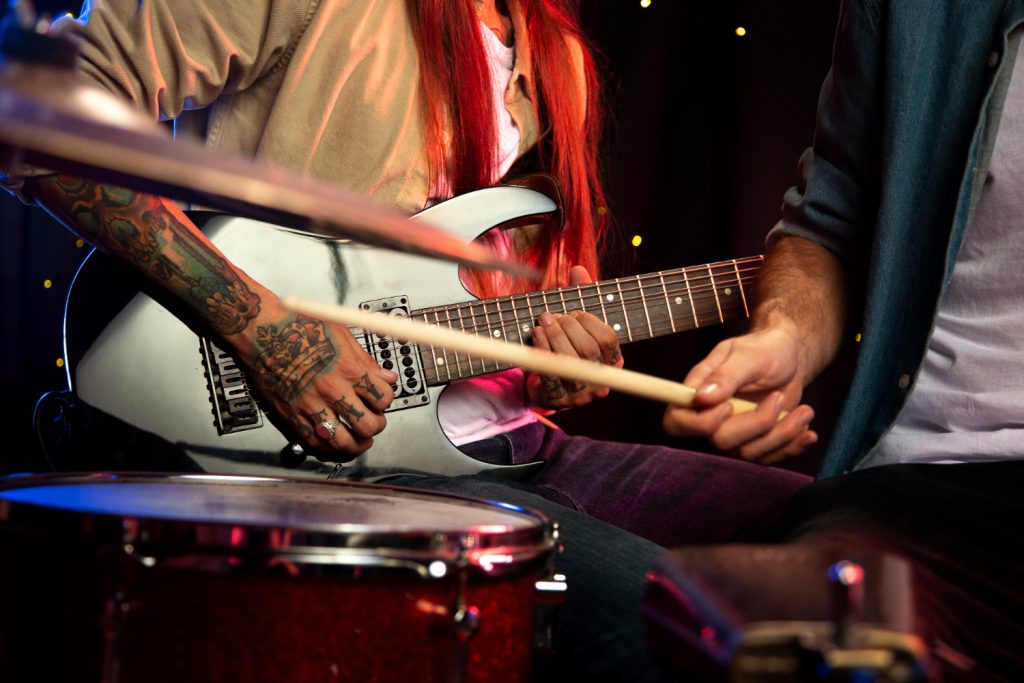
This period saw music evolve into more complex and elaborate forms, with an emphasis on ornamentation, contrasting dynamics and expressiveness. Composers such as Bach, Vivaldi, and Pachelbel are notable figures from this era, whose works laid the foundation for much of Western music.
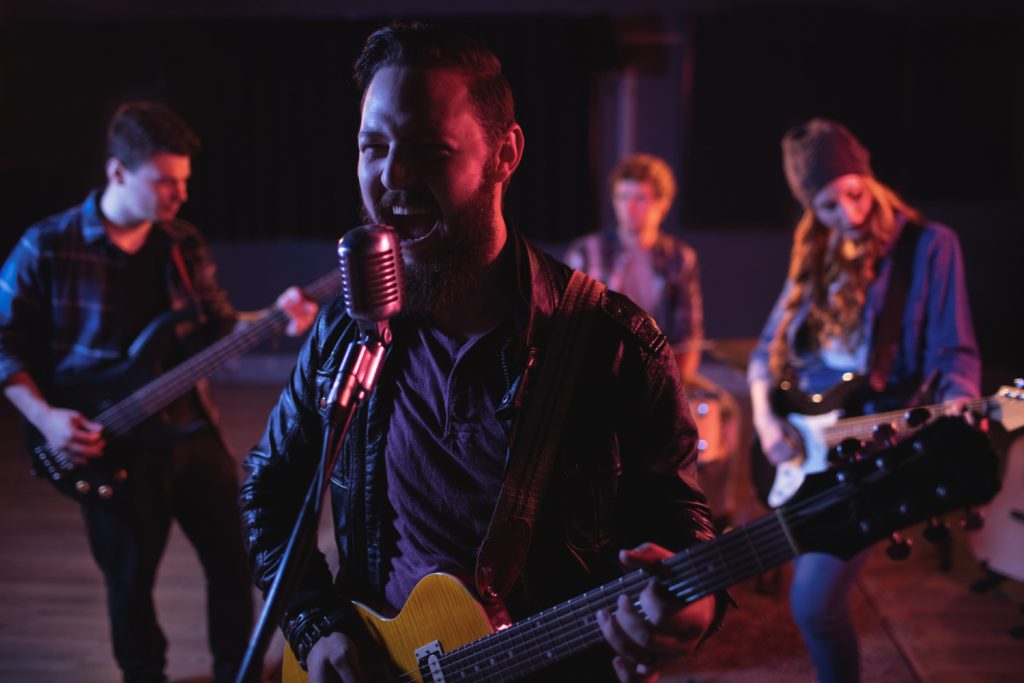
This period saw the focus shift to clarity, balance and structure. This period also marked the rise in prominence of what we now recognize as the modern guitar. Compositions focused more on homophony, where a single melody is supported by accompanying harmonies. Renowned composers like Mozart and Beethoven belong to this period
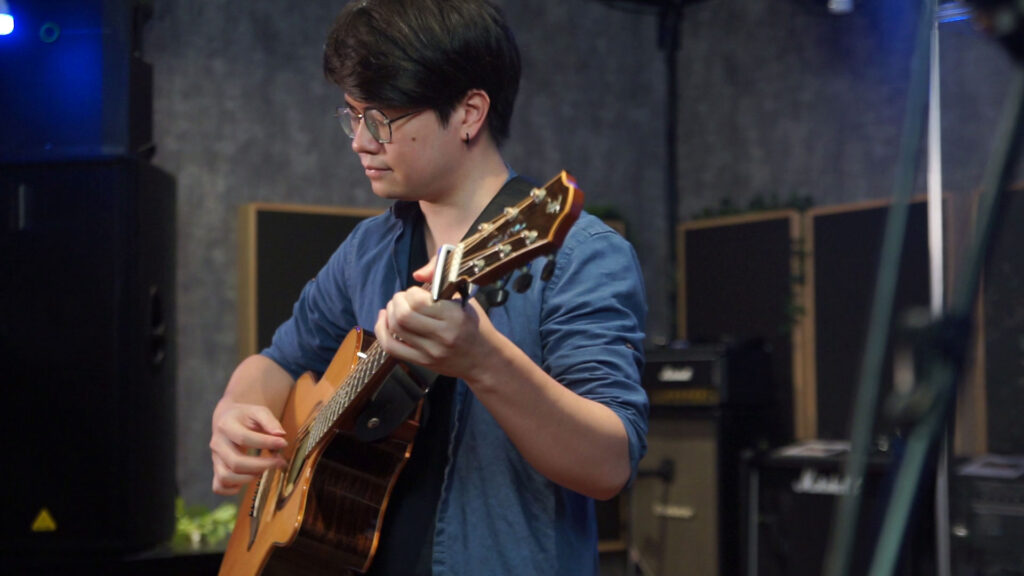
This period took all the rules and structure of the classical era and threw it out the window. Pieces from this period are hallmarked by their emotive and passionate melodies, extreme fluctuations in dynamics and tempo, and complex harmonies. For guitarists in particular, Francisco Tárrega stands out as an influential composer, whose works remain central to classical guitar performance.
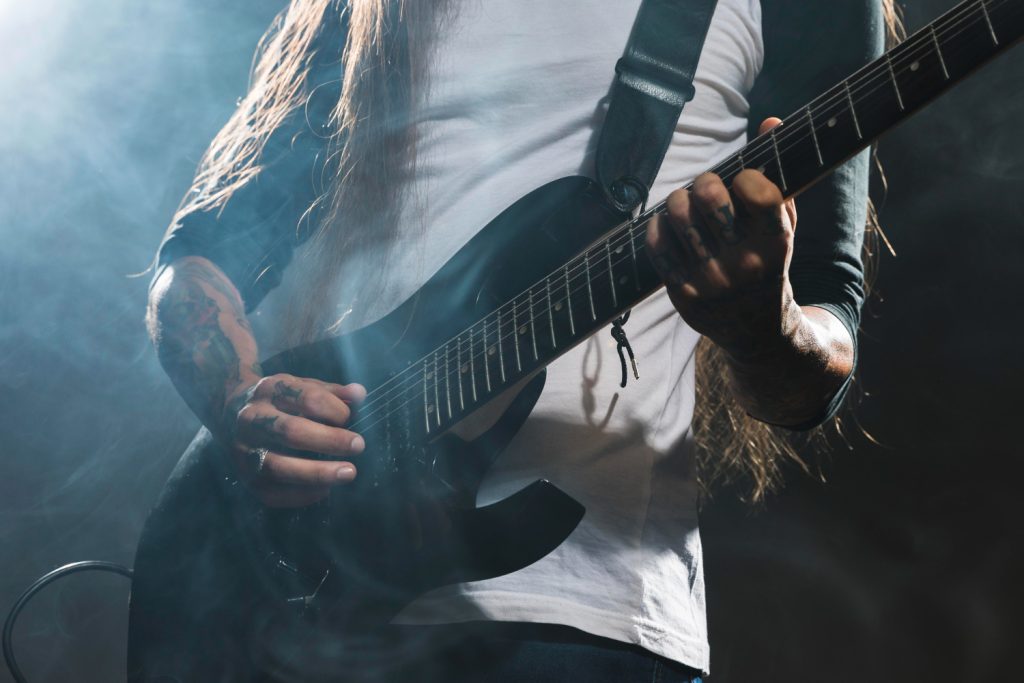
This is where we currently are on the timeline. This era is characterised by a vast diversity of styles and techniques, with composers experimenting with new sounds and incorporating elements from various genres. It is a time of innovation and expansion, reflecting the ever-evolving nature of music. Whilst technically not falling under classical guitar, Flamenco is similar enough in some aspects that we’re including it here (Tocaores please don’t kill us)
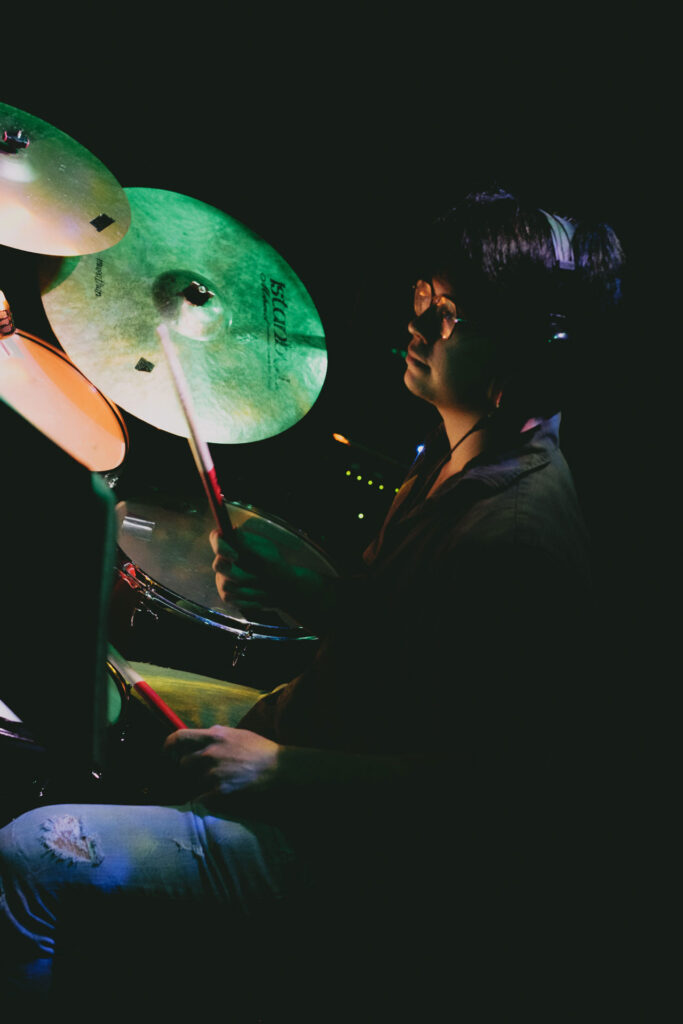
Flamenco guitar is a vibrant and dynamic style that originates from the folk traditions of southern Spain, particularly Andalusia. It’s known for its passionate rhythms and percussive techniques. Flamenco guitars are constructed similarly to classical guitars, with some notable exceptions. They come with a golpeador — a plate that protects the guitar from the percussive techniques that are often used in flamenco. Additionally, the strings are set closer to the fretboard, enabling faster playing and making it easier to execute the intricate techniques that define the vibrant musical style.
The history of classical music can be broadly divided into five key periods, each with its own unique characteristics and contributions to the development of the classical guitar.
This period marks the beginning of classical guitar music, often played on early versions of the guitar or similar instruments like the lute. Renaissance music is typically characterised by polyphony, where multiple independent melodies are played and blended together.
This period saw music evolve into more complex and elaborate forms, with an emphasis on ornamentation, contrasting dynamics and expressiveness. Composers such as Bach, Vivaldi, and Pachelbel are notable figures from this era, whose works laid the foundation for much of Western music.
This period saw the focus shift to clarity, balance and structure. This period also marked the rise in prominence of what we now recognize as the modern guitar. Compositions focused more on homophony, where a single melody is supported by accompanying harmonies. Renowned composers like Mozart and Beethoven belong to this period
This period took all the rules and structure of the classical era and threw it out the window. Pieces from this period are hallmarked by their emotive and passionate melodies, extreme fluctuations in dynamics and tempo, and complex harmonies. For guitarists in particular, Francisco Tárrega stands out as an influential composer, whose works remain central to classical guitar performance.
This is where we currently are on the timeline. This era is characterised by a vast diversity of styles and techniques, with composers experimenting with new sounds and incorporating elements from various genres. It is a time of innovation and expansion, reflecting the ever-evolving nature of music.
Flamenco guitar is a vibrant and dynamic style that originates from the folk traditions of southern Spain, particularly Andalusia. It’s known for its passionate rhythms and percussive techniques. Flamenco guitars are constructed similarly to classical guitars, with some notable exceptions. They come with a golpeador — a plate that protects the guitar from the percussive techniques that are often used in flamenco. Additionally, the strings are set closer to the fretboard, enabling faster playing and making it easier to execute the intricate techniques that define the vibrant musical style.
Flamenco guitar is a vibrant and dynamic style that originates from the folk traditions of southern Spain, particularly Andalusia. It’s known for its passionate rhythms and percussive techniques. Flamenco guitars are constructed similarly to classical guitars, with some notable exceptions. They come with a golpeador — a plate that protects the guitar from the percussive techniques that are often used in flamenco. Additionally, the strings are set closer to the fretboard, enabling faster playing and making it easier to execute the intricate techniques that define the vibrant musical style.
Book a trial lesson now and see for yourself!